
Did you know new cars produce a lot of greenhouse gases? Making one car can release about 15 tons of CO2. Choosing a used car saves money and cuts down on the need for new cars.
Going for a used car is a smart choice for the planet. It means less need for new materials, less waste, and fewer emissions from making cars.
By picking an eco-friendly used car, you help make our world cleaner. We’ll look into why used cars are better for the environment.
Key Takeaways
- Buying a used car reduces the demand for new car production, lowering greenhouse gas emissions.
- Pre-owned vehicles decrease the need for raw materials and reduce waste.
- Choosing a used car supports sustainable consumption and reduces environmental impact.
- Eco-friendly used cars contribute to a cleaner environment.
- Opting for a used car is a cost-effective and environmentally conscious decision.
Why Choose a Used Car Over a New One?
Choosing a used car is smart and good for the planet. It’s a cost-effective choice and helps the environment. Buying a used car is a simple way to lessen our environmental impact.
Understanding the Life Cycle of Vehicles
The life of a vehicle includes making, using, and getting rid of it. By picking a used car, we make the existing ones last longer. This cuts down on the need for new cars, which helps the planet.
The life cycle of a vehicle has three main parts:
- Manufacturing: This stage uses a lot of resources and makes pollution.
- Usage: Cars use fuel and make emissions when we drive them.
- Disposal: At the end, cars are either recycled or thrown away.
The Impact of Manufacturing on the Environment
Creating new cars hurts the environment a lot. It uses a lot of energy, takes resources, and makes pollution. Choosing a used car means we need fewer new ones, which lowers the environmental damage.
Cost Considerations: Environmental and Financial
Used cars are good for the planet and your wallet. They cost less to buy and insure than new cars. Here are some money-saving points:
- Lower Purchase Price: Used cars are cheaper to buy.
- Reduced Depreciation: New cars lose value fast; used cars avoid this.
- Lower Insurance Costs: Insurance for used cars is often cheaper.
By picking a used car, we help our finances and the planet. It’s a choice that’s good for both our wallets and the Earth, fitting our goal of easy, green solutions.
Reducing Carbon Footprint with Used Cars
Choosing a used car is a great way to cut down on carbon emissions. New cars need lots of resources and energy to make, which means more emissions. By picking a used car, you help reduce the need for new, energy-hungry vehicles.
Emissions Comparisons: New vs. Used
New cars are better at using fuel, but they have a big carbon footprint because of how they’re made. Used cars, though, have already faced the biggest environmental impact during their production.
- Lower Production Emissions: Buying used means you’re not adding to the emissions from making new cars.
- Fuel Efficiency: Even though new cars use less fuel, many used cars are also efficient. Their environmental impact is lower when you look at their whole life.
- Extended Vehicle Life: Getting a used car can make it last longer. This means it won’t be junked and sent to a landfill as soon.
The Role of Carbon Footprint in Car Selection
It’s important to think about the carbon footprint of your car choice. It’s not just about how well the car uses fuel or how much it emits. It’s also about the environmental cost of making it.
- Think about the total emissions of the vehicle over its life.
- Look into how it was made and the materials used.
- Check out what happens to it when it’s no longer needed.
By choosing a used car, you’re making a big step towards reducing your carbon footprint. Used cars are better for the environment because they don’t have the high emissions of new cars.
The Resources Saved by Purchasing Used

Choosing a pre-owned vehicle is a smart move for the planet. It’s not just good for your wallet but also for the environment. By picking a used car, you help make the future greener.
Decreased Resource Extraction
New cars need lots of raw materials like metals and plastics. Buying a used car lowers the need for these resources. This cuts down on the harm caused by mining and processing.
- Conservation of Metals: Used cars mean less need for metals like steel and copper.
- Reduced Plastic Use: Fewer plastics are needed for making new cars.
- Preservation of Rare Earth Minerals: Buying used cars cuts down on the need for these minerals in new cars.
Minimizing Waste in Landfills
The car industry creates a lot of waste, with old cars and parts ending up in landfills. Buying used cars keeps more cars on the road. This reduces the waste from old cars.
- Extending Vehicle Life: Used cars last longer, delaying when they need to be thrown away.
- Reducing Scrap: Making fewer new cars means less scrap from manufacturing.
- Promoting Recycling: Used car parts can be recycled, cutting down on waste.
Buying a used car is a green choice. It supports a more circular economy in the car industry. This means resources are used better and waste is lessened.
Energy Consumption: The Save Factor
Producing new cars uses a lot of energy. But, buying used cars can greatly lower this environmental cost. Choosing used cars means we’re using a product that has already used most of its energy during making.
Reducing energy consumption is key to lowering our carbon footprint. Opting for used vehicles is a smart way to do this. It cuts down the need for new, energy-hungry manufacturing.
Manufacturing vs. Reusing
Creating new cars takes a lot of energy. This includes getting raw materials, making parts, and putting the car together. But, using existing cars through the used market needs much less energy.
- Less energy for getting raw materials
- Lower energy for making new parts
- Less energy for assembling new cars
Energy Savings from Buying Used Cars
Buying used cars cuts down the energy needed to make them. It also helps make the car industry more sustainable. The benefits of used cars for the environment include less pollution and less waste.
By picking used cars, we help lower the energy use in the car world. This supports a more circular economy. It’s where resources are used better, and less waste is made.
Supporting Local Economies and Sustainably
Buying a used car from local dealerships helps the local economy and supports sustainable practices. It’s an eco-conscious car buying choice that positively impacts your community.
Economic Impact of Used Car Purchases
Buying a used car from local dealerships boosts local businesses. It helps the local economy grow and creates jobs. Plus, local dealerships usually have a smaller carbon footprint than big chains.
- Stimulates local economic growth
- Creates jobs within the community
- Supports local businesses
Local Dealerships and Their Environmental Commitment
Many local used car dealerships focus on being green. They know how important it is to care for the environment. By buying from them, you support businesses that value the planet.
Some green practices local dealerships use include:
- Recycling and reusing parts from trade-ins
- Using energy-efficient lights and systems
- Encouraging the sale of hybrid and electric cars
Supporting local economies through used car purchases is smart and eco-friendly. It’s a choice that’s good for your wallet and the planet.
Carpooling and Used Vehicle Ownership
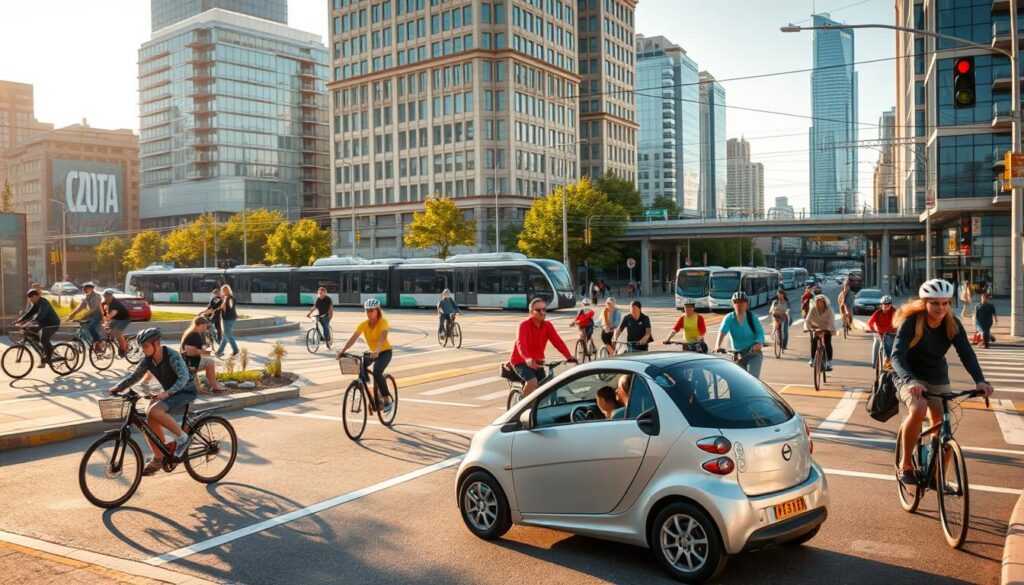
Carpooling with used vehicles helps reduce traffic and pollution. It combines carpooling with owning a used car. This way, we can lower our carbon footprint and help the environment.
Benefits of Sharing Used Vehicles
Sharing used cars for carpooling has many advantages. It cuts down the number of cars on the road. It also makes owning a car cheaper by sharing costs.
This method builds a sense of community among drivers. It encourages people to work together.
- Reduced fuel consumption per person
- Lower maintenance costs for vehicles
- Increased social interaction among commuters
Reduced Traffic Congestion and Emissions
Carpooling with used cars helps reduce traffic. With fewer cars, there’s less traffic and less time stuck in jams. This also lowers emissions.
By carpooling with used cars, we help the environment. We also support a shift towards The Environmental Benefits of Buying a Used Car. Together, we can make big changes for the better.
The Role of Maintenance in Environmental Benefits
Keeping your used car in good shape is more than just maintenance. It also helps reduce its carbon footprint. Regular upkeep ensures your vehicle runs efficiently, which lessens its environmental impact.
Extending Vehicle Life through Maintenance
Getting your used car serviced regularly is key to making it last longer. Activities like oil changes, tire rotations, and brake pad replacements keep your car running smoothly. They also prevent damage that could shorten its life.
Key maintenance activities include:
- Regular oil changes to keep the engine lubricated
- Tire pressure checks to ensure optimal fuel efficiency
- Brake pad replacements to maintain safety and performance
Sustainable Practices in Car Maintenance
Using eco-friendly methods in car care boosts the green benefits of driving a used car. This means choosing green products, recycling parts, and safely getting rid of harmful waste.
Sustainable maintenance practices involve:
- Using environmentally friendly cleaning products
- Recycling used parts and materials
- Proper disposal of hazardous materials like batteries and tires
By taking care of your used car and choosing green options, you help cut down on carbon emissions. This is good for the planet and can also save you money on gas and repairs.
We urge car owners to focus on maintenance and support green services. Together, we can make a big difference in reducing emissions and keeping our environment healthy.
Eco-Friendly Options in the Used Car Market
The used car market is changing, with more focus on eco-friendly vehicles. People want cars that are good for the planet. Buying a used car can be a green choice, and knowing what to look for can make it even better.
Today, the used car market has many eco-friendly options. You can find hybrid and electric cars. These cars are better for the environment and can save you money. Let’s look at what to consider when buying a hybrid or electric used car.
Hybrid and Electric Used Cars: What to Look For
It’s important to know the difference between hybrid and electric cars when looking for eco-friendly options.
- Hybrid Vehicles: These cars use both a regular engine and an electric motor. They use less fuel and produce fewer emissions.
- Electric Vehicles (EVs): EVs run only on electricity and don’t produce any tailpipe emissions. They’re great for short trips or if you have access to charging stations.
When buying a used hybrid or electric car, keep these tips in mind:
- Check the battery’s health and if it’s under warranty.
- Look at the car’s maintenance history to make sure it’s been well cared for.
- Do some research on the model to see if there are any known problems.
Certifications to Consider When Buying
When buying a used car, look for certifications. They show the car has been checked and meets certain standards.
- Certified Pre-Owned (CPO): CPO cars have been checked and certified by the maker or dealer. They often come with warranties and extra perks.
- Manufacturer-backed Certifications: Some makers have their own certification programs. These can give you more confidence in your purchase.
Choosing a certified eco-friendly used car means you get the benefits of a used car while helping the planet.
Promoting a Circular Economy with Used Cars
Choosing used cars helps us make better choices about what we consume and waste. It cuts down on waste and the need for new, resource-heavy cars. This supports a more circular economy.
Circular Economy Basics
A circular economy tries to lessen the harm from what we buy by encouraging reuse and recycling. When it comes to cars, picking used ones over new ones is key. This not only lowers the environmental impact of used cars but also encourages green car buying.
Long-Term Environmental Benefits
Buying used cars has many benefits for the planet. It lessens the need for digging up resources and making new cars. This leads to fewer emissions and less waste. Eco-friendly car choices help make the auto industry more sustainable.
It’s clear that used cars are better for the environment. By choosing pre-owned vehicles, we help reduce the auto sector’s environmental harm. This supports a circular economy and promotes sustainable use.